

Dr. Juan Carlos Torres del Rio explains 'removal' vs 'reconstruction' in gluteal tissue surgery

Juan Carlos Torres del Río
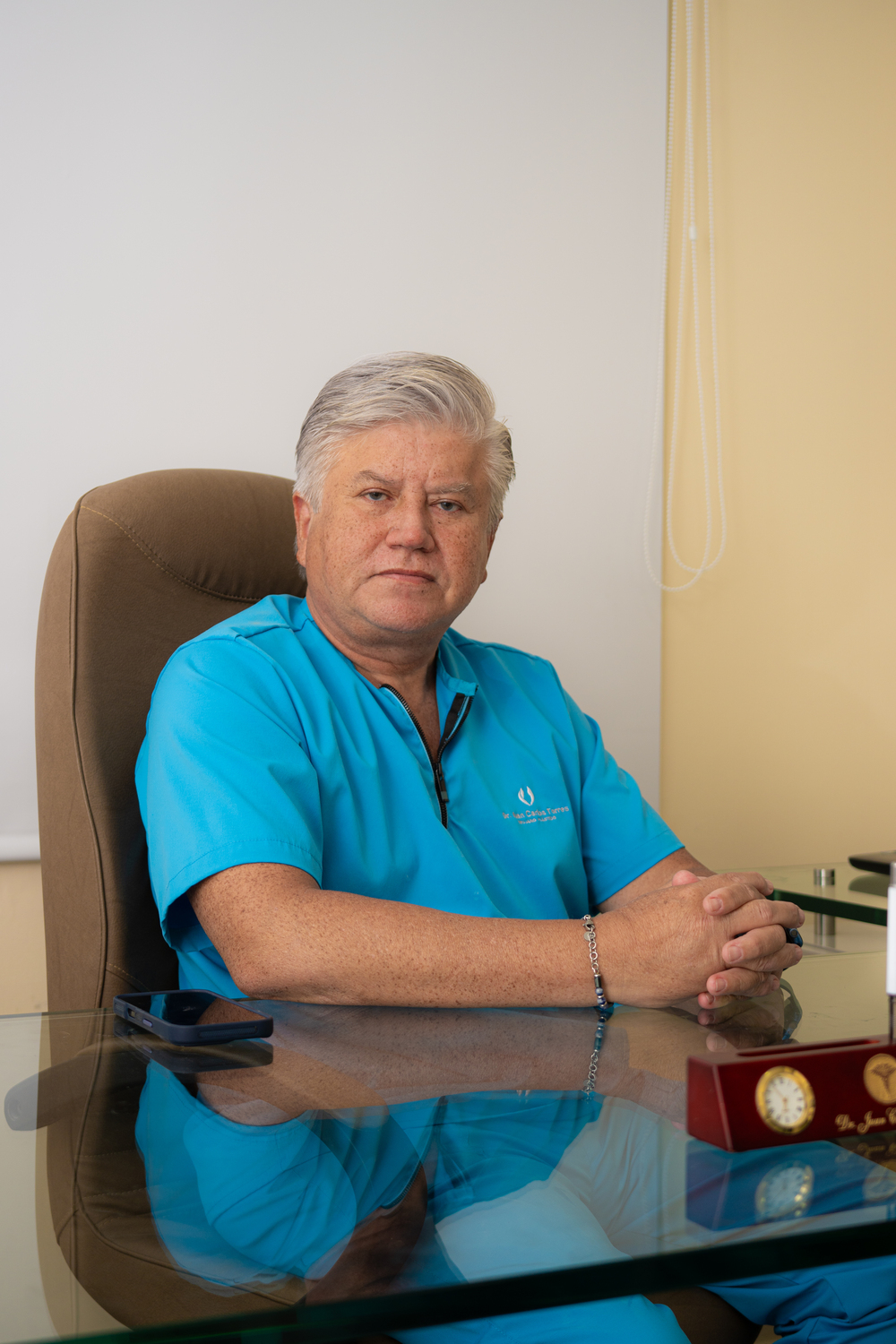
Juan Carlos Torres del Río
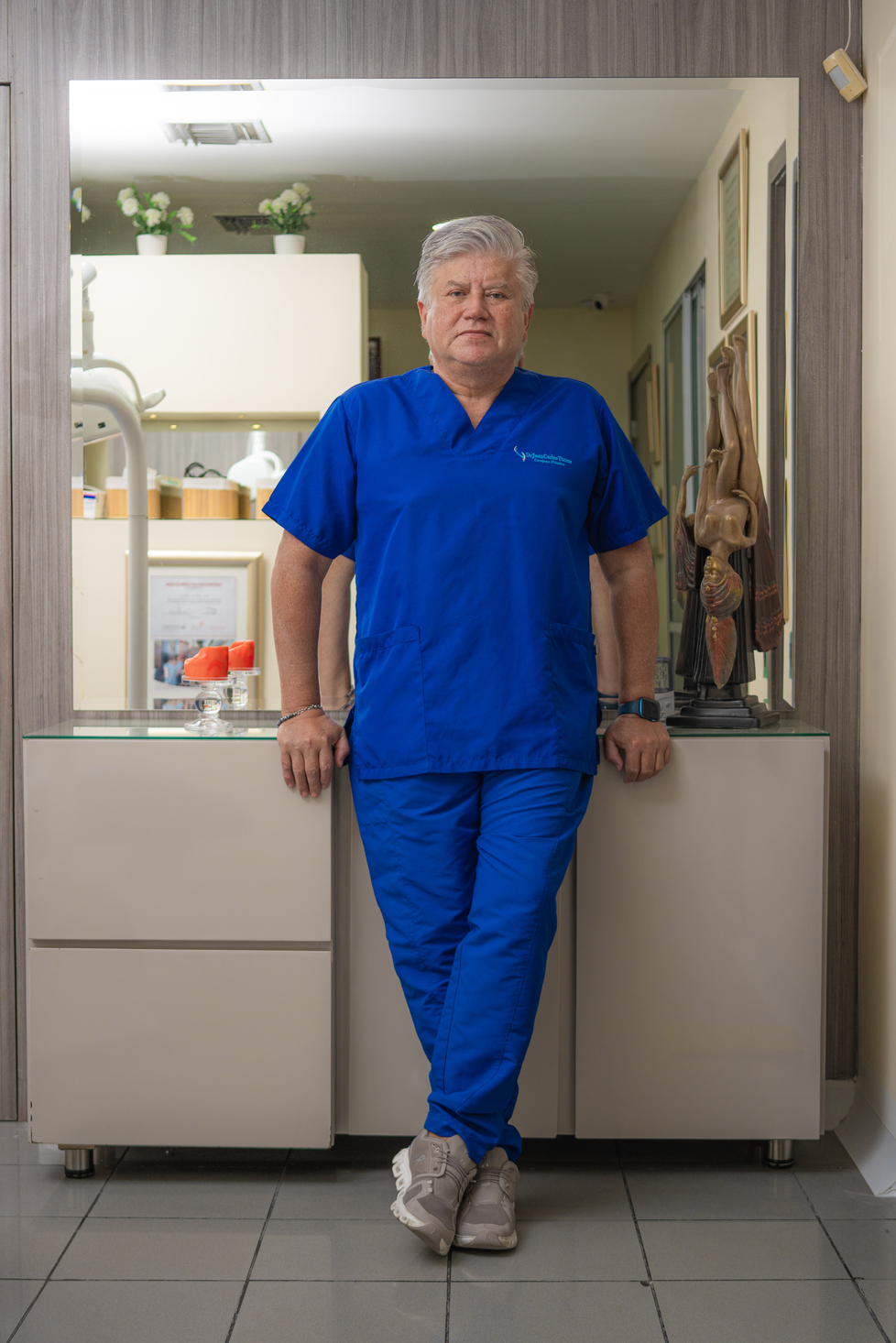
Juan Carlos Torres del Río

Juan Carlos Torres del Río
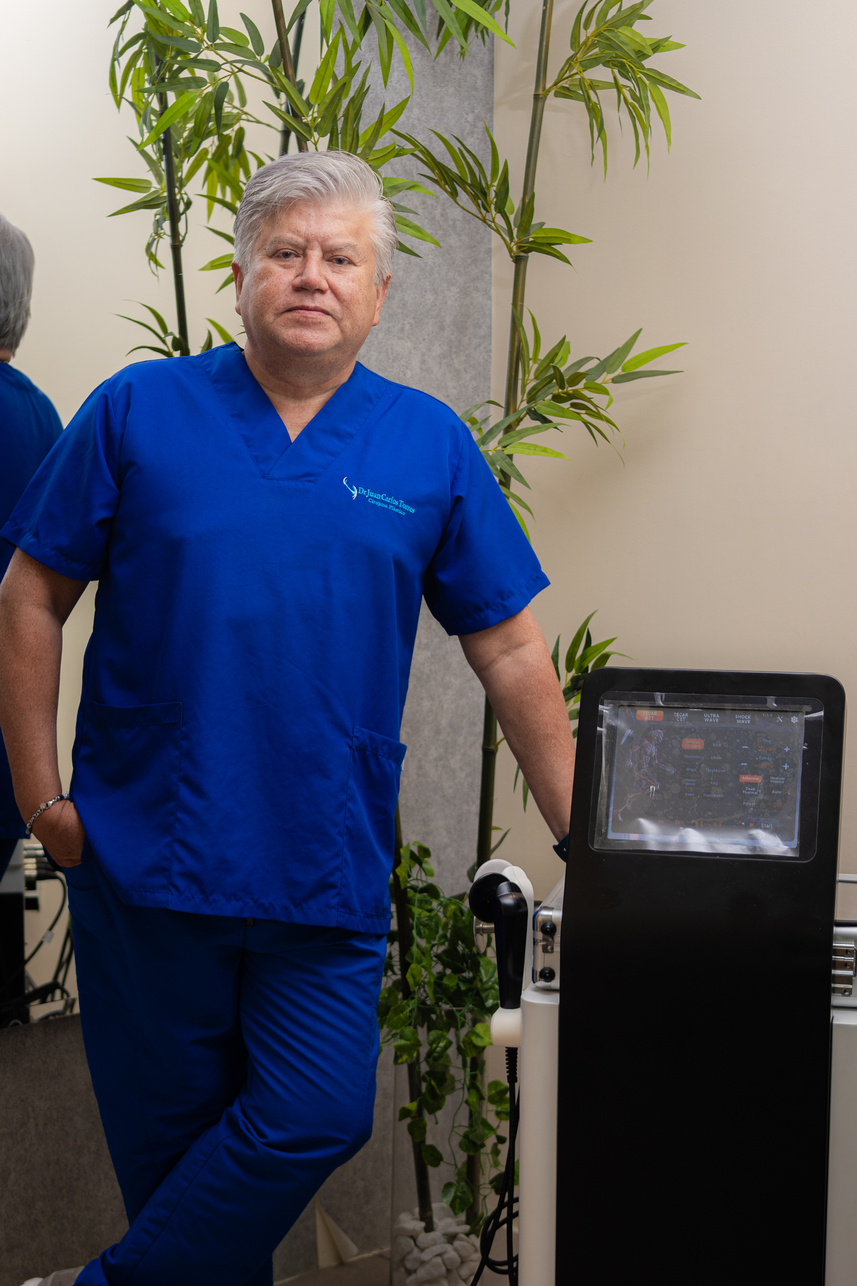
Juan Carlos Torres del Río
Dr. Torres del Rio explains when tissue repair is part of the plan, how dead space is managed, and why follow-up shapes outcomes.
BARRANQUILLA, ATLáNTICO, COLOMBIA, February 12, 2026 /EINPresswire.com/ -- In public conversations about gluteal surgery—especially in cases involving prior injections or complications—two words are often used interchangeably: “removal” and “reconstruction.” For patients, the difference can shape expectations, safety decisions, recovery planning, and long-term outcomes. According to Dr. Juan Carlos Torres del Rio, a plastic and reconstructive surgeon known for work in complex soft-tissue cases, these terms describe two distinct surgical objectives that may occur in separate stages or within a single treatment plan: removing harmful or altered material and restoring function and contour through reconstructive techniques.
“Patients sometimes arrive asking for a ‘removal’ procedure, believing that once the problematic material is taken out, everything returns to normal,” Dr. Torres del Rio said. “In reality, removal is often only the first step. In many cases, the most important part is what comes next—how you preserve tissue, manage defects, and reconstruct in a way that is safe, functional, and durable.”
This editorial release aims to clarify what clinicians generally mean by “removing” versus “reconstructing,” when a gluteal case requires both, and why an integrated preventive and therapeutic approach—including careful patient selection, staging, and follow-up—matters as much as the surgery itself.
Why the distinction matters: language influences risk and expectations
In healthcare, terminology is not cosmetic—it is clinical. When patients hear “removal,” they may expect a single procedure with a straightforward before-and-after result. When surgeons discuss “reconstruction,” they are often acknowledging that the underlying problem can involve tissue damage, scarring, inflammation, dead space, asymmetry, loss of support, or compromised blood supply, and that restoring the area may require additional steps beyond extraction.
Dr. Torres del Rio explains that gluteal cases become complex when the tissue environment has changed over time—whether from foreign-body reactions, chronic inflammation, fibrosis, prior surgeries, infections, or skin and fat loss. “The gluteal region is not just shape,” he said. “It is biomechanics, sitting tolerance, skin integrity, and blood supply. Reconstruction is the process of restoring those realities.”
What “removal” typically means in gluteal soft-tissue surgery
“Removal” generally refers to surgically extracting or debriding material or tissue that is causing harm or dysfunction. In gluteal surgery, removal may involve:
Taking out foreign material when it is identifiable and safely accessible
Debriding necrotic or chronically infected tissue
Excising scarred planes or hardened deposits that distort anatomy
Draining collections and addressing cavities (dead space) that perpetuate inflammation
Performing meticulous cleansing and irrigation when contamination is suspected
Dr. Torres del Rio stresses that “removal” is not a guarantee of total extraction in every scenario. “Some materials migrate, fragment, or become integrated into scar tissue,” he said. “The safest plan is not always ‘remove everything at any cost.’ The safest plan is to remove what is medically indicated while preserving viable tissue and preventing new damage.”
The clinical goal of removal
The primary goal is typically risk reduction: decreasing inflammatory load, infection risk, pain, distortion, or functional limitation. Removal aims to stabilize a dangerous or deteriorating situation. It is often about control—of infection, inflammation, and tissue compromise.
Why removal alone may not solve the problem
Even when removal is successful, the tissue may be left with:
Volume loss (fat and soft-tissue deficit)
Irregular cavities (dead space) that can refill or scar unpredictably
Asymmetry or contour collapse
Skin laxity or tethering
Reduced vascularity (blood supply) due to prior inflammation or surgery
Weak support structures that affect shape and sitting comfort
“This is where reconstruction enters,” Dr. Torres del Rio said. “Removal can reduce harm. Reconstruction restores structure.”
What “reconstruction” means—and why it is not simply aesthetic
Reconstruction in gluteal/soft-tissue surgery is the set of techniques used to restore form and function after tissue has been removed or damaged. In practical terms, reconstruction is about:
Filling or eliminating dead space to reduce fluid collections and infection risk
Rebuilding soft-tissue coverage so skin has healthy support
Restoring contour and symmetry without placing tissues under unsafe tension
Improving mechanical comfort for sitting and movement
Protecting blood supply, nerves, and deeper structures
Supporting long-term stability so results do not collapse, migrate, or worsen with time
“People think reconstruction is a ‘beauty add-on,’” Dr. Torres del Rio said. “In many cases, reconstruction is the part that prevents repeated complications. It can be protective, not just cosmetic.”
Reconstruction can be staged
In complex cases, reconstruction may be done in stages, allowing inflammation to settle and tissues to regain stability before adding volume or performing more advanced reconstruction. “Staging is not delay for its own sake,” Dr. Torres del Rio explained. “It’s a safety strategy. Tissue that is inflamed or infected behaves unpredictably.”
When surgery includes reconstruction: common scenarios
Dr. Torres del Rio notes that reconstruction becomes part of the plan when there is evidence of:
Tissue loss or significant defect
After removal, there may be a deficit that cannot heal properly without structural support.
Compromised skin and subcutaneous tissue
If skin quality is poor, thin, scarred, or poorly vascularized, it may require specialized closure or coverage techniques.
Dead space likely to refill
Cavities can accumulate fluid (seroma), become infected, or scar into irregular contours. Reconstruction often focuses on eliminating these spaces.
Asymmetry or contour collapse affecting function or well-being
In some cases, the deformity is not only visual—it affects sitting tolerance, gait, and daily comfort.
High risk of recurrent inflammation or infection without stabilization
Reconstruction can reduce chronic irritation by creating healthier tissue planes.
“Reconstruction is not always about making the area larger,” Dr. Torres del Rio said. “Sometimes it’s about making the area safer and more stable.”
“Rebuild” does not mean “implant”: the reconstructive toolbox
Public discussions sometimes assume that reconstruction equals “implants.” Dr. Torres del Rio emphasizes that reconstruction can involve many methods, depending on tissue conditions, patient health, and risk profile. Options can include:
Local tissue rearrangement to redistribute healthy tissue
Fat grafting in selected, stable cases, with strict safety protocols
Fascia-based support techniques to improve structural stability
Flaps (moving tissue with its blood supply) in severe defects or compromised areas
Scar release and layered closure to reduce tethering and restore movement
Compression, drains, and dead-space management strategies that support healing
Adjunctive wound care when tissue needs time to recover before definitive reconstruction
“Reconstruction is a medical strategy, not a single device,” he said. “In gluteal cases, the safest reconstruction is the one that respects blood supply and anatomy.”
Patient evaluation: deciding whether removal, reconstruction, or both are needed
Dr. Torres del Rio describes decision-making as a combination of:
Clinical history (symptoms, prior injections or procedures, timing, progression)
Physical examination (skin, firmness, mobility, pain, temperature changes, contour)
Imaging when appropriate to map tissue planes and collections
Lab evaluation when infection or systemic inflammation is suspected
Risk assessment (smoking, diabetes, clotting risks, immune conditions, medications)
Functional evaluation (sitting pain, mobility, activity limitations)
The central question is not “What procedure do you want?” but “What does your tissue need, and what is safe?” “Patients often come with a procedure name,” he said. “Our job is to translate their goal into a medically sound plan.”
Why complications happen when “removal” is treated as a one-step solution
In Dr. Torres del Rio’s view, the most common driver of poor outcomes is an oversimplified plan. He highlights several risk points:
1) Underestimating tissue damage
If the tissue environment is scarred or inflamed, aggressive removal can create defects that the body cannot close safely.
2) Ignoring dead space
Large cavities can fill with fluid, increase infection risk, or lead to chronic drainage and prolonged healing.
3) Returning to volume restoration too soon
Reconstruction that adds volume before inflammation stabilizes can increase complications or lead to unpredictable results.
4) Poor follow-up
Complex gluteal cases require structured postoperative monitoring. Without it, early warning signs can be missed.
“Complex tissue behaves like complex tissue,” Dr. Torres del Rio said. “You can’t treat it like a routine case.”
Reconstruction as prevention: a safety-driven approach
A key editorial point, Dr. Torres del Rio says, is that reconstruction is often preventive—it reduces downstream complications rather than simply “fixing appearance.” Preventive reconstruction may include:
Closing dead space to reduce seroma/infection
Improving tissue coverage to protect skin integrity
Restoring structural support to prevent collapse and chronic pain
Reducing tension in closures to avoid wound breakdown
Planning staged reconstruction to avoid operating in unstable tissue
“In many cases, the reconstructive plan is the reason a patient doesn’t return with the same problem six months later,” he said.
What patients should expect: realistic outcomes and timelines
Dr. Torres del Rio emphasizes that patients deserve clear expectations about:
Staging: some cases need more than one procedure
Healing time: reconstructive healing can take weeks to months
Contour variability: scar maturation and swelling change shape over time
Limitations: severely compromised tissue may not return to a “pre-problem” baseline
Follow-up: ongoing evaluation is part of treatment, not an optional add-on
“A responsible plan is honest about time,” he said. “The goal is not a fast result; the goal is a stable result.”
The role of postoperative care: where many outcomes are decided
For reconstructive gluteal cases, postoperative care can influence outcomes as much as the surgery. Dr. Torres del Rio notes typical priorities:
Pressure management to protect healing tissues
Monitoring for fluid collections and managing drains when used
Infection surveillance and early response to warning signs
Supporting mobility safely while avoiding excessive tension or trauma
Nutritional support and addressing factors that impair healing (smoking, uncontrolled glucose, anemia)
“Reconstruction continues after the operation,” he said. “Healing is an active phase, not a waiting phase.”
Avoiding misinformation: key questions patients should ask
Dr. Torres del Rio suggests that patients considering gluteal removal and/or reconstruction ask direct, safety-oriented questions:
What is the diagnosis and the surgical objective—removal, reconstruction, or both?
Will this be staged? If so, why and what is the timeline?
How will dead space be managed to reduce seroma and infection risk?
What imaging or evaluation is needed before surgery?
What complications are most relevant in my case, and how are they managed?
What is the postoperative plan for pressure, follow-up, and monitoring?
“A serious team should welcome those questions,” he said. “If answers are vague or guaranteed, that is a warning sign.”
Why these cases demand reconstructive experience, not only cosmetic skill
Because gluteal tissues are subject to pressure, movement, and weight bearing, reconstructive planning often requires experience in:
Managing compromised skin and scar planes
Protecting vascularity in a region prone to tension
Addressing infection risk and chronic inflammation
Restoring function in addition to contour
“Some patients come in thinking this is only about shape,” Dr. Torres del Rio said. “But when tissue has been damaged, the question is often: can we restore healthy coverage and comfort? That is reconstructive surgery.”
A broader health message: treatment should be a pathway, not a single moment
Finally, Dr. Torres del Rio frames removal and reconstruction as part of a broader principle in modern surgery: complex problems require pathways, not one-time events. “When we plan a pathway—evaluation, removal when indicated, stabilization, reconstruction when safe, and follow-up—we improve outcomes and reduce reoperations,” he said.
He adds that journalists and editors have an important role in public understanding: separating informational health content from promotional messaging and emphasizing patient safety questions rather than “quick transformation” narratives. “If the public learns the difference between removal and reconstruction, people will make safer decisions,” he said. “They will ask for a plan, not a promise.”
About Dr. Juan Carlos Torres del Rio
Dr. Juan Carlos Torres del Rio is a plastic and reconstructive surgeon whose clinical work includes complex soft-tissue surgery, including cases where gluteal surgery requires both removal of compromised material/tissue and reconstructive strategies to restore stability, function, and contour.
Dr. Juan Carlos Torres del Río
Dr. Juan Carlos Torres del Río
+57 3102758297
email us here
Visit us on social media:
Instagram
Legal Disclaimer:
EIN Presswire provides this news content "as is" without warranty of any kind. We do not accept any responsibility or liability for the accuracy, content, images, videos, licenses, completeness, legality, or reliability of the information contained in this article. If you have any complaints or copyright issues related to this article, kindly contact the author above.
